The Land
The Farm
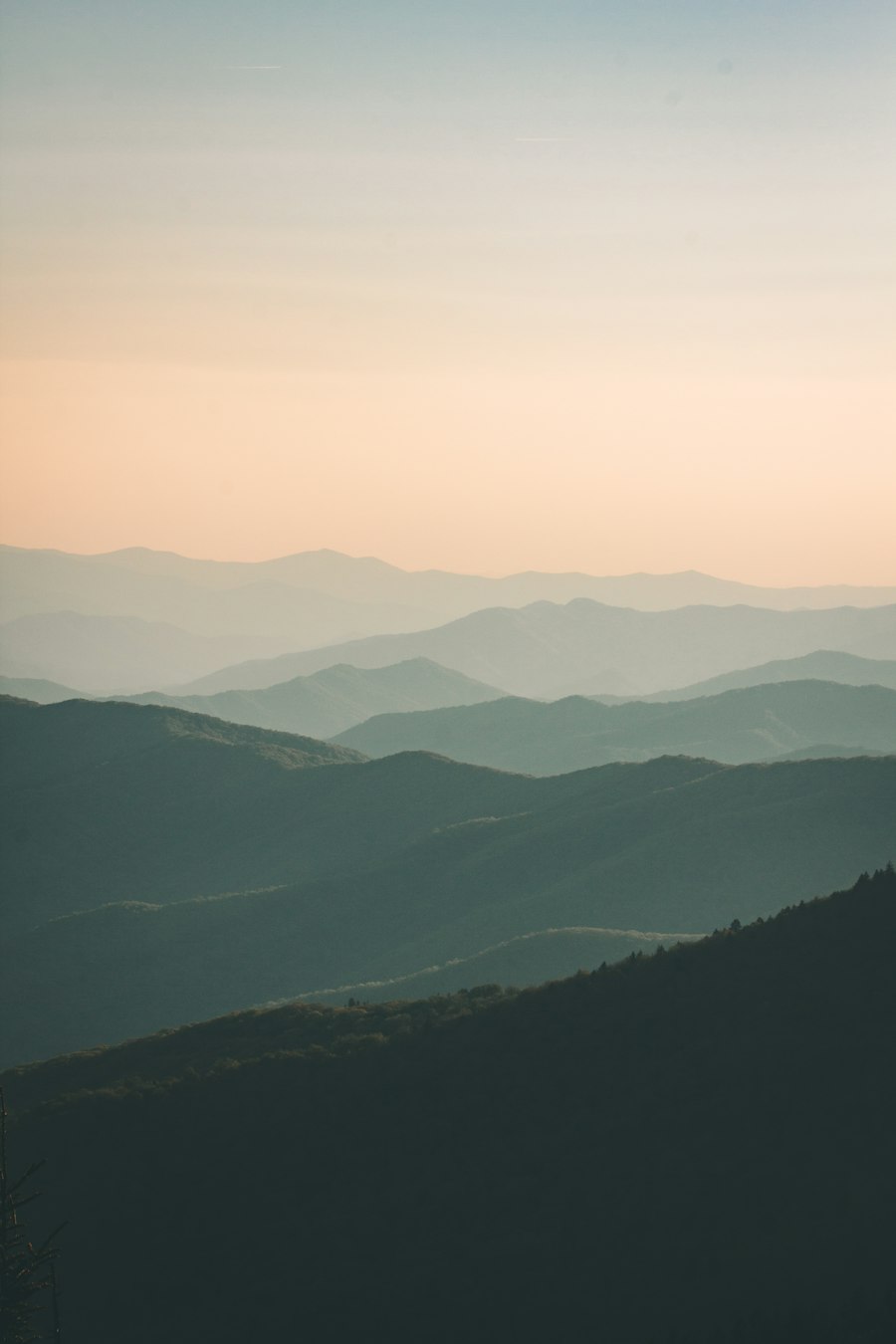
The land was scrub when we arrived. Three hundred hectares of cork oak and cistus, with a ruined quinta at the western edge. That was in 2009. We came from the north — Trás-os-Montes — looking for something that would grow with us rather than against us.
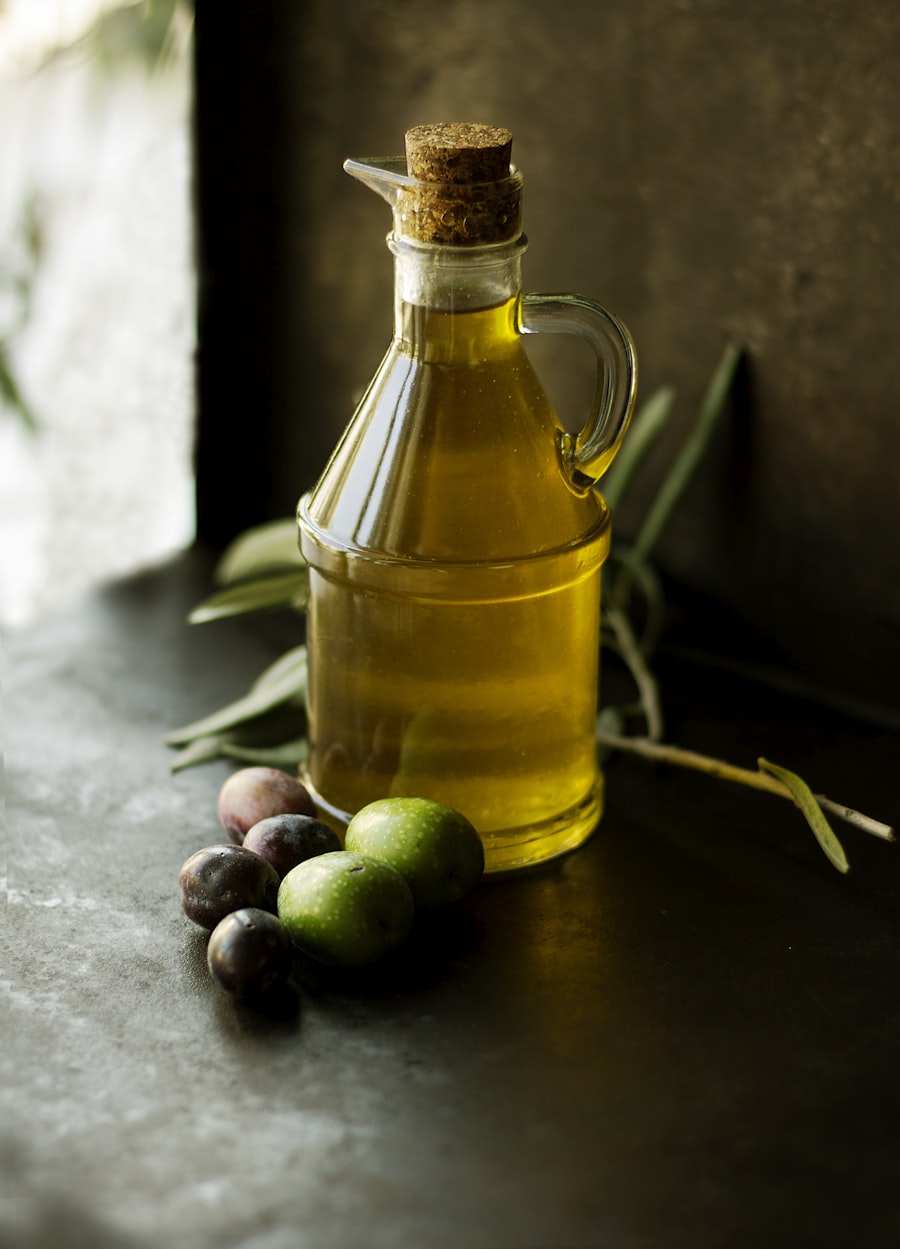
We cleared twenty hectares and planted. Galega olives along the south-facing slope — the variety that presses light and grassy rather than bitter. Arbequina in the valley where the water collects in January. Between them, the carob trees that were already there: ancient, unplanted, surviving everything. We kept them. They are the memory of the land.
The bees arrived in the third year. A neighbour had a hive that had swarmed onto one of our almond trees. He offered to take it back. We kept it. By the following spring we had four hives. Now we have twenty-two, placed in pairs across the property — near the almond blossom in February, moved to the thyme heath in April, settled near the carob flowers in early summer. The honey changes with each position. The spring honey is light and floral; the autumn run is darker, almost savoury.
The carob tree
In this part of Portugal, the carob is not farmed — it is found. The pods fall in October and November. Historically they were animal feed, then a chocolate substitute during the war years, then an export crop to Israel for locust bean gum. The trees on our land predate any of this. The oldest one we have found — a metre across at the base, hollow at the heart — is probably three hundred years old. A Phoenician planted it, or a Moorish farmer, or a goatherd who scattered seeds without thinking.
We make our jam from the pods when they fall. We press nothing from the carob — we have no use for carob flour or carob chips. The pods are for the jam and for the goats of a neighbour who collects them in a trailer each December.
Why we host travellers
The twelve pitches are not a hospitality business. They are the margin that allows everything else. The olive press cost forty thousand euros in 2018. The borehole cost nine thousand. The solar installation cost twelve. These investments pay back over fifteen years, not three.
The travellers who stop here tend to leave differently than they arrived. Not because we try to create an experience — we do not. But because a working farm, even a small one, has a rhythm that is completely different from the coastal motorway towns they have come from. The pressing in October is the most obvious instance: when the machinery runs and the oil fills the stainless tanks and the smell is of fresh grass and green fruit, it is hard to drive past without stopping.
The shop opens at seven most mornings. The oil is there, the honey, whatever jam we have made recently. We do not maintain set hours beyond that — if you need something and the shop is closed, knock.
The gate code goes out with the booking confirmation. The wi-fi password is on the noticeboard at the shop. The dump station is behind the pressing shed.